Renewable heating
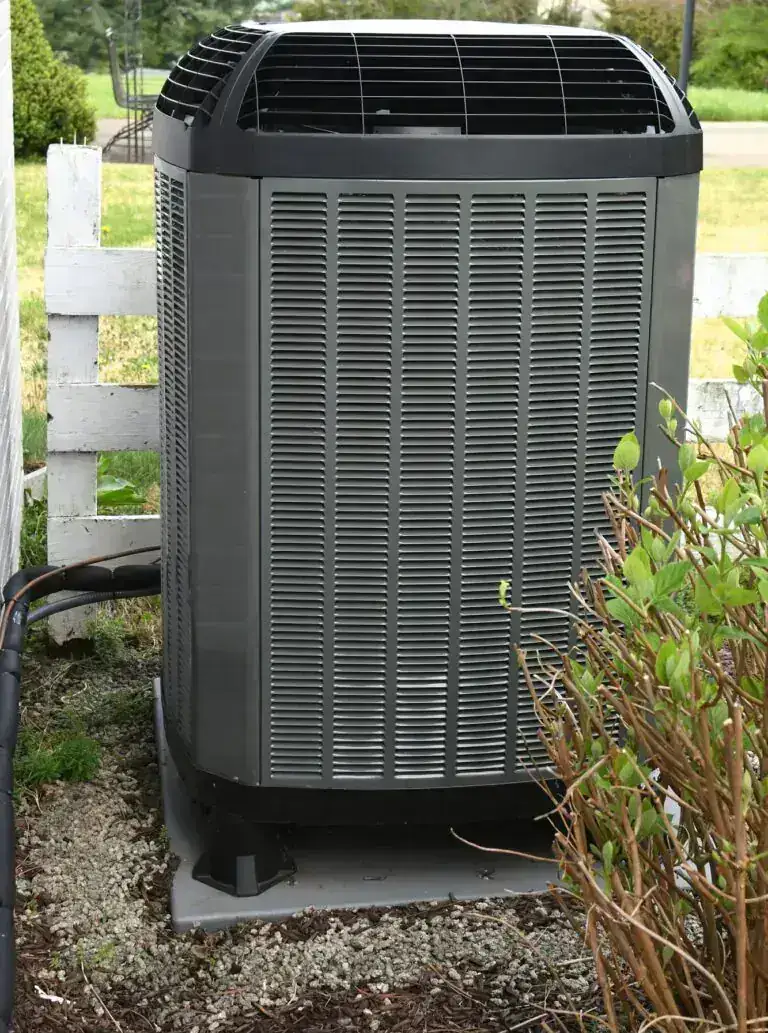
Air source heat pumps
Survey-led air-to-water heat-pump design for homes and commercial buildings.
Explore air source heat pumps
Compare technologies by the building problem they solve, the evidence they need and the ongoing support they require.

Installation, fault finding and strategic planning need different starting evidence.
Survey-led air-to-water heat-pump design for homes and commercial buildings.
Explore air source heat pumps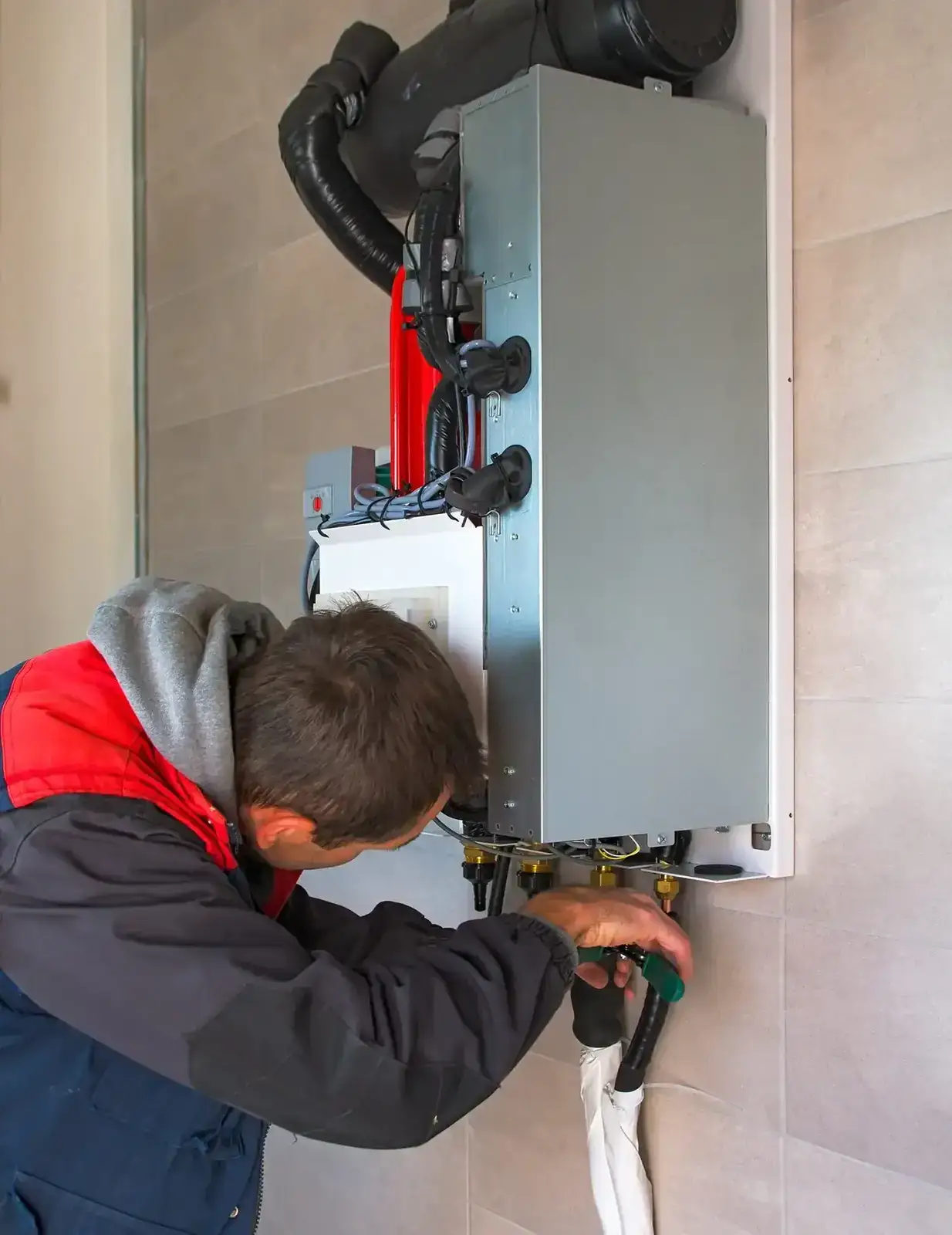
Ground-loop and borehole options assessed with heat demand, geology, access and lifecycle in view.
Explore ground source heat pumps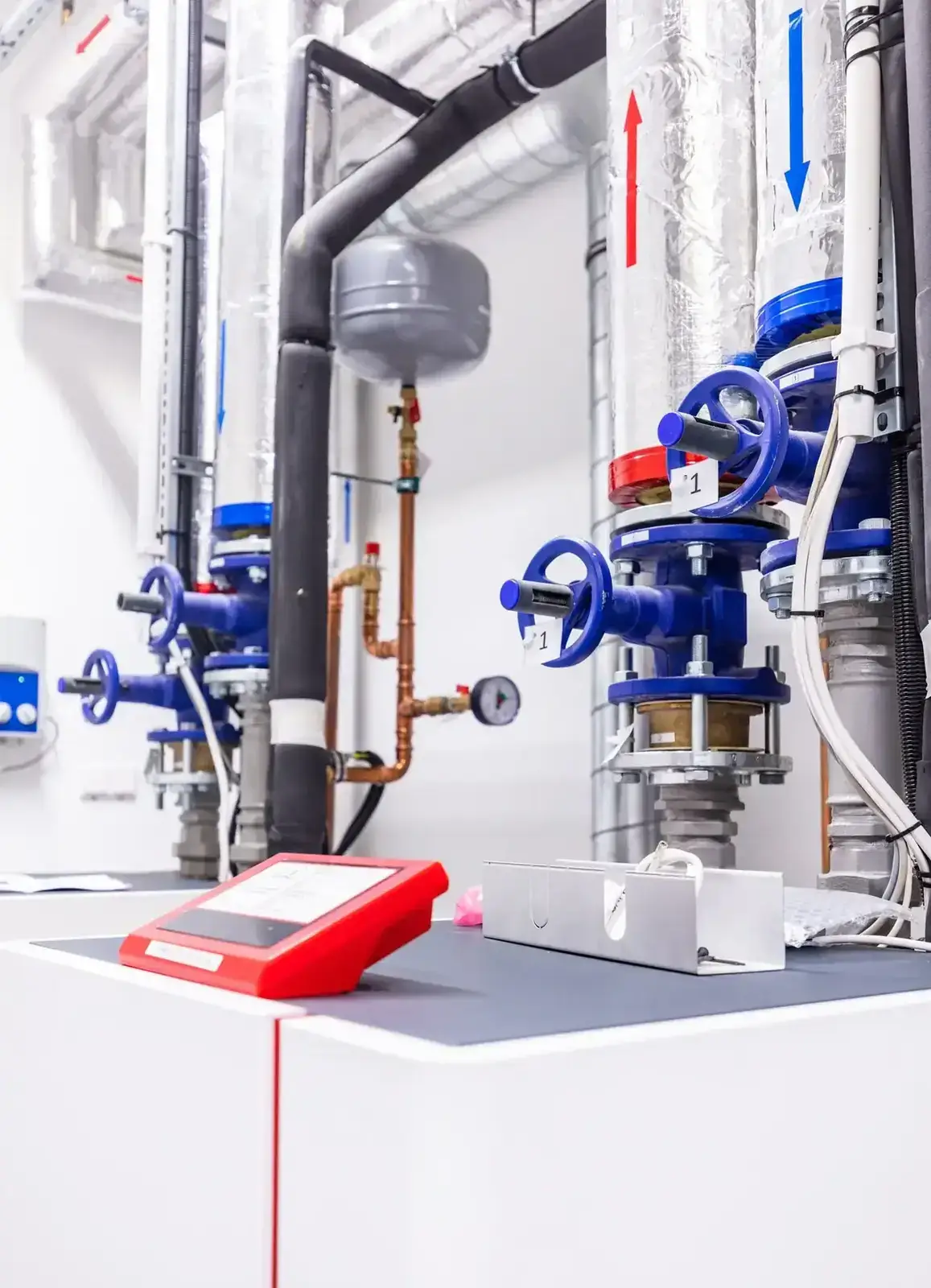
Decarbonisation planning, plant integration and phased upgrades for business premises.
Explore commercial heat pumpsEvidence-led maintenance and fault finding for air-source and ground-source systems.
Explore heat-pump servicing and repairs
Solar hot-water assessment and integration with cylinders, controls and auxiliary heat.
Explore solar thermal hot water
Emitter and control design that supports even comfort at lower water temperatures.
Explore underfloor and low-temperature heating
The evidence layer for equipment sizing, emitter decisions and a comparable proposal.
Explore heat loss and system designA dependable proposal links the selected equipment to measured demand and the real work around it.
Tell us about the building, current system, objective and timescale. We will explain the next sensible assessment without promising an outcome before the measurements exist.
A survey should connect the proposed heat source to room or zone demand, emitters, hot water, controls, electrical capacity, equipment space and service access. The output is a comparable scope: what will change, what remains, which assumptions are provisional and how the finished system will be commissioned.
For renovations and new buildings, coordinate heating decisions with fabric, floor build-up, ventilation and electrical design before layouts are fixed.
Record error codes, when the problem occurs, recent changes, pressure or temperature readings and any unusual sound, icing or cycling. Service history and commissioning records help distinguish a failed component from a hydraulic, control or design problem. Repeated resets can remove useful evidence, so capture the code before restarting equipment.
Maintenance, repair and redesign are different scopes; the first diagnosis should make the next one clear.
These questions help separate advice, design, installation, service and repair.
For a new heat-pump system, measured room or zone heat demand is a core design input. It informs equipment duty, emitters, water temperatures and the changes included in a comparable proposal.
No. Servicing checks condition and operation within an agreed scope. A redesign investigates whether demand, emitters, hydraulics, controls or equipment selection need to change.
Yes, subject to equipment and access. Share error history, commissioning records, settings and consumption data where available so the assessment can begin with evidence.
Both need demand, distribution, controls and commissioning evidence. Commercial work usually adds operating hours, resilience, phasing, BMS or metering and more stakeholders.
The same demand basis, intended temperatures, enabling work, controls, electrical scope, access, commissioning, handover and aftercare should be visible in each proposal.
The business owner confirmed these six relationships as current on 12 August 2026. Follow each mark to its official organisation; status can be checked directly before appointment.


