
Air source heat pumps.
Survey-led air-to-water heat-pump design for homes and commercial buildings.
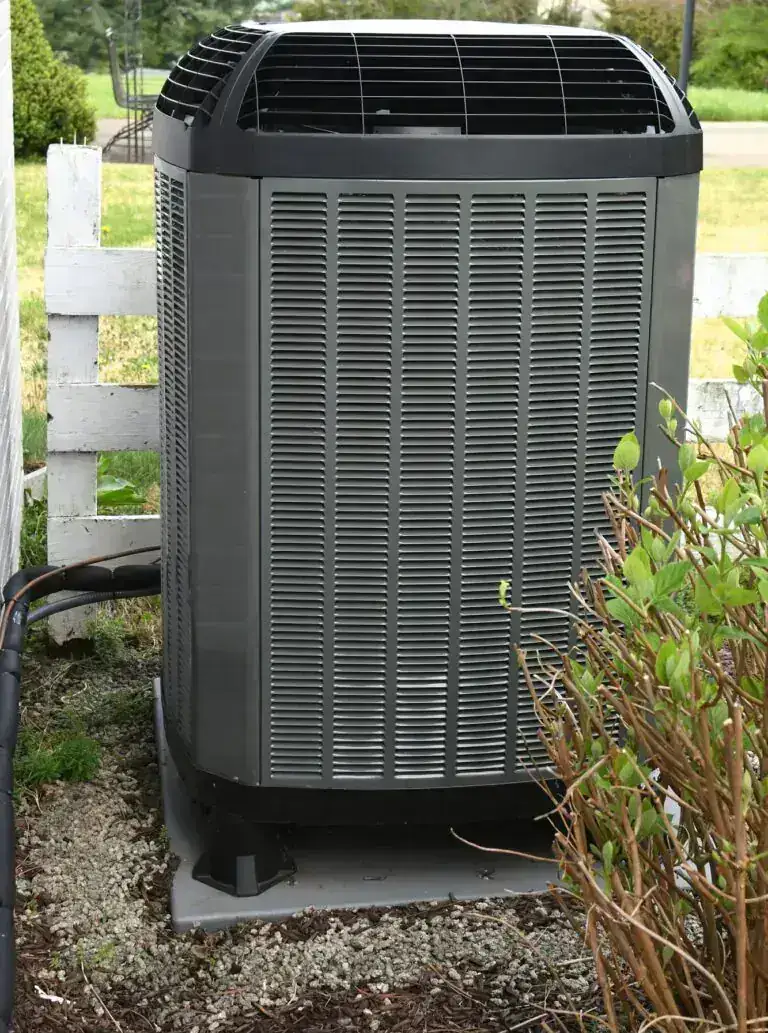
Suitability begins with a use case.
No technology is automatically right because of a postcode, building age or headline efficiency figure.
Often relevant for
Properties with a suitable outdoor position, viable electrical supply and a heating system that can deliver comfort at the proposed water temperatures.
The survey must still test available space, required temperatures, practical access, electricity and the people who use or manage the building.
Core design checks
- Room-by-room or building-zone heat demand
- Emitter, air-handler and pipework capacity
- Outdoor siting, acoustics and condensate
- Hot-water, controls and electrical requirements
The same physics, a different operating context.
Homes prioritise comfort, hot water and manageable disruption. Commercial premises add operating schedules, zones, resilience, metering, stakeholder approvals and phased capital planning.
Design around real household use
Room-by-room demand, emitter output, cylinder space, outdoor position, controls and the occupants’ comfort expectations.
Residential pathwayDesign around loads and continuity
Zone loads, operating hours, peak demand, existing plant, backup strategy, controls, metering and lifecycle priorities.
Commercial pathwayEvidence before equipment.
The exact sequence changes with the project, but responsibility should remain visible.
- 01
Define
Objective, scope, constraints and success criteria.
- 02
Assess
Demand, existing system, site and operating conditions.
- 03
Specify
Options, assumptions, design and enabling work.
- 04
Verify
Commissioning, records, handover and care.
Useful questions before commitment.
Answers remain visible and property-specific.
Why does this check matter?
Room-by-room or building-zone heat demand affects whether the proposed system can meet the building's needs reliably. The written design should state the evidence, assumption and responsibility rather than leaving it implied.
What should be confirmed about emitter, air-handler and pipework capacity?
Emitter, air-handler and pipework capacity affects whether the proposed system can meet the building's needs reliably. The written design should state the evidence, assumption and responsibility rather than leaving it implied.
What should be confirmed about outdoor siting, acoustics and condensate?
Outdoor siting, acoustics and condensate affects whether the proposed system can meet the building's needs reliably. The written design should state the evidence, assumption and responsibility rather than leaving it implied.
What should be confirmed about hot-water, controls and electrical requirements?
Hot-water, controls and electrical requirements affects whether the proposed system can meet the building's needs reliably. The written design should state the evidence, assumption and responsibility rather than leaving it implied.
Plan the evidence before choosing the equipment.
Tell us about the building, current system, objective and timescale. We will explain the next sensible assessment without promising an outcome before the measurements exist.
Information that improves a air source heat pumps assessment.
Share the current fuel and equipment, available energy records, the rooms or zones that struggle, normal occupancy, hot-water demand and any planned insulation or building work. Photographs of plant, emitters, electrical intake and possible equipment positions can focus an initial conversation, although they do not replace measured assessment.
For a commercial building, add operating hours, shutdown constraints, lease or tenant responsibilities, known BMS points and the people who approve capital, design and operational changes. This helps distinguish an urgent reliability issue from a longer-term decarbonisation project.
Keep every important assumption visible.
Ask each proposal to state its demand basis, intended water temperatures, equipment duty, emitter or distribution changes, hot-water strategy, controls, electrical work, access, permissions, drainage, commissioning and handover. Provisional items should explain what evidence will resolve them and who carries the cost or programme risk.
Retain the final design, settings, commissioning record, warranties and maintenance requirements. Those documents give the owner a usable operating record and give a future engineer a better starting point for adjustment, service or fault finding.
What should the final handover include?
A page-specific answer for air source heat pumps.
What records should I receive for air source heat pumps?
The handover should include the design basis, relevant settings, commissioning results, equipment information, warranty responsibilities and maintenance route. Where assumptions or provisional work remain, the final record should say how they were resolved.
Current professional and manufacturer relationships.
The business owner confirmed these six relationships as current on 12 August 2026. Follow each mark to its official organisation; status can be checked directly before appointment.


